Debunking Health Pseudoscience and Quackery: Separating Fact from Fiction
Category : doctorregister | Sub Category : doctorregister Posted on 2023-10-30 21:24:53
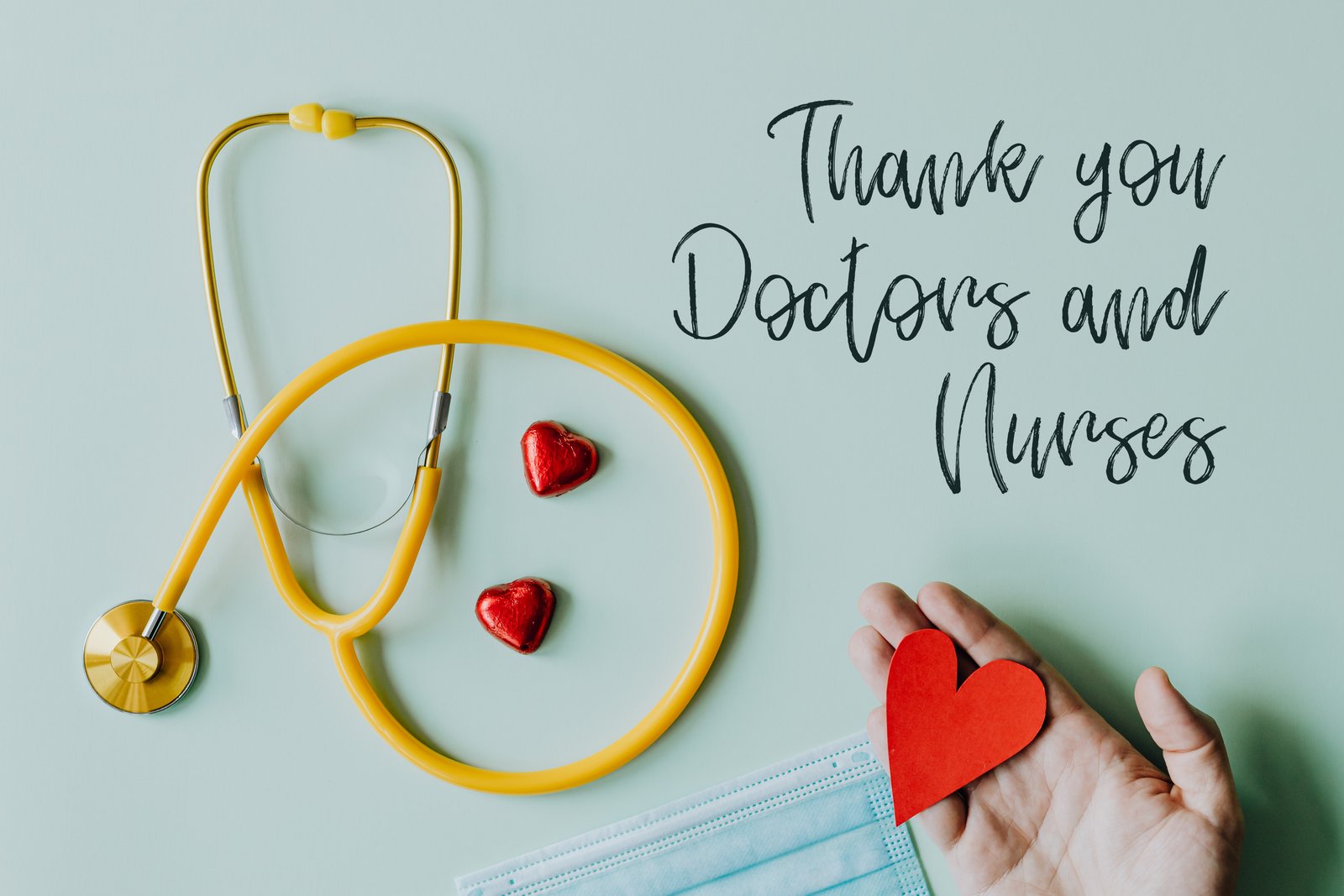
Introduction: In an era where information is readily available at our fingertips, it's more important than ever to be critical consumers of health-related claims. Pseudoscience and quackery, characterized by unproven or false claims made to deceive or exploit individuals seeking health solutions, can lead to dangerous outcomes. In this blog post, we will shed light on some common health pseudoscience and quackery and provide you with the tools to identify and avoid falling into their traps. 1. Detox and Cleanses: The Myth and Misconception One of the most prevalent forms of health pseudoscience is the concept of detoxification and cleansing. Promoted by various products and detox diets, they claim to rid the body of harmful toxins and improve overall well-being. However, there is little scientific evidence to support these claims. Our bodies already possess an intricate detoxification system, primarily carried out by the liver and kidneys. Moreover, extreme cleansing programs can lead to nutrient deficiencies and disrupt the body's delicate balance. 2. Miracle Cures and "Magic" Supplements The world of health pseudoscience is filled with miracle cure claims and "magic" supplements promising to cure various ailments. Whether it's a mystical herb or a rare exotic fruit, these products often lack clinical evidence and may even be harmful. It is essential to be wary of extravagant claims that promise instant results or miraculous effects. Always consult a healthcare professional or trusted sources before incorporating any supplements into your routine. 3. Electrotherapy and Energy Healing Pseudoscientific practices like electrotherapy and energy healing propose to manipulate electromagnetic fields or unseen energy forces within the body to promote healing. While these techniques may appear appealing, they are not supported by scientific evidence. It's important to remember that healthcare is grounded in evidence-based medicine, and claims that rely solely on unfounded theories lack credibility and reliability. 4. Anti-Vaccine Movement and Distrust in Science Perhaps one of the most dangerous forms of health pseudoscience is the anti-vaccine movement. Spearheaded by misinformation and fear, this movement falsely alleges that vaccines are linked to various health issues. However, extensive research and numerous scientific studies have proven the immense benefits of vaccinations in preventing infectious diseases. It is crucial to rely on credible sources such as the World Health Organization (WHO) and the Centers for Disease Control and Prevention (CDC) to access accurate information about vaccinations. Conclusion: In a world inundated with health misinformation, it is more important than ever to practice critical thinking and discernment. Pseudoscience and quackery can be misleading and potentially harmful to our well-being. By staying informed and relying on trusted sources of information, we can protect ourselves and avoid falling victim to health-related scams. Remember, evidence-based practice is the cornerstone of modern healthcare, and relying on scientifically proven methods is the best way to ensure our well-being. Here is the following website to check: http://www.semifake.com To delve deeper into this subject, consider these articles: http://www.tinyfed.com For the latest research, visit http://www.natclar.com
Leave a Comment:
SEARCH
Recent News
- Zurich, Switzerland has long been known for its exceptional quality of life, beautiful surroundings, and high standard of healthcare. In contrast, the Russian healthcare system has faced various challenges and struggles over the years. Let's delve into the differences between the healthcare systems in Zurich, Switzerland, and Russia.
- Navigating Medical Device Regulations in Zurich, Switzerland
- In the bustling city of Zurich, Switzerland, finding healthy fast food options can be a challenge. However, with a little exploration and curiosity, you can discover some fantastic spots that offer nutritious and delicious meals on the go.
- YouTube Content Creation: Exploring the Russian Healthcare System
- In today's digital age, YouTube has become a powerful platform for content creators to share their knowledge and expertise with a global audience. One particular niche that has been gaining traction on YouTube is the creation and translation of content related to medical devices regulation.
- Are you looking for tips on creating YouTube content about healthy fast food options and the importance of translation in reaching a wider audience? Let's dive into how you can combine these two aspects to create engaging and informative videos for your channel.
- Exploring the Russian Healthcare System: Insights from a YouTube Channel
- Navigating the Regulatory Landscape for Medical Devices on YouTube
READ MORE
7 months ago Category : doctorregister

Zurich, Switzerland has long been known for its exceptional quality of life, beautiful surroundings, and high standard of healthcare. In contrast, the Russian healthcare system has faced various challenges and struggles over the years. Let's delve into the differences between the healthcare systems in Zurich, Switzerland, and Russia.
Read More →7 months ago Category : doctorregister

Navigating Medical Device Regulations in Zurich, Switzerland
Read More →7 months ago Category : doctorregister

In the bustling city of Zurich, Switzerland, finding healthy fast food options can be a challenge. However, with a little exploration and curiosity, you can discover some fantastic spots that offer nutritious and delicious meals on the go.
Read More →7 months ago Category : doctorregister
