Medical Nutrition Injuries: Understanding the Role of Nutrition in Injury Recovery
Category : doctorregister | Sub Category : doctorregister Posted on 2024-09-07 22:25:23
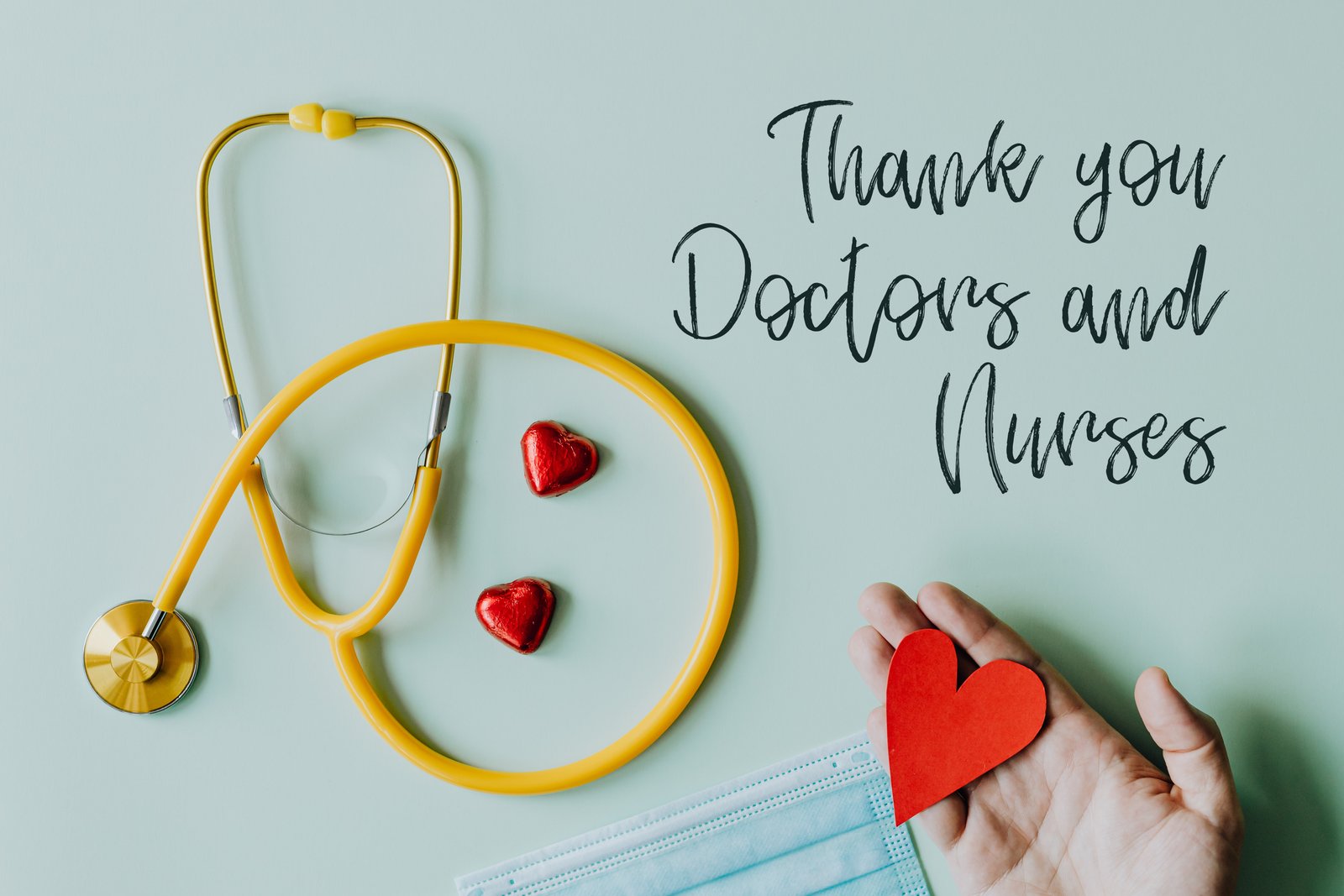
Nutrition plays a crucial role in maintaining overall health and well-being. When it comes to injuries, the right balance of nutrients can help promote healing and recovery. In this blog post, we will explore the importance of medical nutrition in the context of injuries and how it can aid in the recovery process. 1. **The Impact of Injuries on Nutrition**: It is important to understand that injuries can have a significant impact on nutritional status. Trauma, surgery, and certain medical conditions can increase the body's nutritional needs as it works to repair damaged tissues and heal. In some cases, decreased appetite or difficulty eating due to pain or discomfort can further complicate the situation. 2. **Nutrients for Recovery**: Certain nutrients play a key role in the healing process. Protein, for example, is essential for tissue repair and muscle growth. Adequate protein intake is especially important for individuals recovering from injuries. Vitamins and minerals such as vitamin C, zinc, and calcium also support the healing process and help strengthen the immune system. 3. **The Role of Calories**: Injured individuals may have higher energy needs due to the body's increased metabolic rate during the healing process. It is important to ensure an adequate calorie intake to support healing and prevent muscle loss. Working with a healthcare provider or a registered dietitian can help determine the appropriate calorie level based on individual needs. 4. **Hydration**: Proper hydration is crucial for overall health and plays a key role in the recovery process. Dehydration can impair wound healing and affect overall recovery. Drinking an adequate amount of fluids, such as water or herbal teas, can help support tissue repair and maintain optimal bodily functions. 5. **Anti-Inflammatory Foods**: Inflammation is a natural part of the healing process, but chronic inflammation can delay recovery. Including anti-inflammatory foods in the diet, such as fruits, vegetables, omega-3 fatty acids, and spices like turmeric, can help reduce inflammation and support the healing process. 6. **Supplements**: In some cases, supplements may be recommended to support the healing process. However, it is important to consult with a healthcare provider before taking any supplements, as some may interact with medications or have adverse effects. In conclusion, medical nutrition plays a crucial role in injury recovery by providing the body with the necessary nutrients to heal and repair damaged tissues. By understanding the impact of injuries on nutrition and making informed food choices, individuals can support their recovery process and optimize their overall health and well-being. Remember to consult with a healthcare provider or a registered dietitian for personalized nutrition recommendations based on individual needs and circumstances.
Leave a Comment:
SEARCH
Recent News
- Zurich, Switzerland has long been known for its exceptional quality of life, beautiful surroundings, and high standard of healthcare. In contrast, the Russian healthcare system has faced various challenges and struggles over the years. Let's delve into the differences between the healthcare systems in Zurich, Switzerland, and Russia.
- Navigating Medical Device Regulations in Zurich, Switzerland
- In the bustling city of Zurich, Switzerland, finding healthy fast food options can be a challenge. However, with a little exploration and curiosity, you can discover some fantastic spots that offer nutritious and delicious meals on the go.
- YouTube Content Creation: Exploring the Russian Healthcare System
- In today's digital age, YouTube has become a powerful platform for content creators to share their knowledge and expertise with a global audience. One particular niche that has been gaining traction on YouTube is the creation and translation of content related to medical devices regulation.
- Are you looking for tips on creating YouTube content about healthy fast food options and the importance of translation in reaching a wider audience? Let's dive into how you can combine these two aspects to create engaging and informative videos for your channel.
- Exploring the Russian Healthcare System: Insights from a YouTube Channel
- Navigating the Regulatory Landscape for Medical Devices on YouTube
READ MORE
7 months ago Category : doctorregister

Zurich, Switzerland has long been known for its exceptional quality of life, beautiful surroundings, and high standard of healthcare. In contrast, the Russian healthcare system has faced various challenges and struggles over the years. Let's delve into the differences between the healthcare systems in Zurich, Switzerland, and Russia.
Read More →7 months ago Category : doctorregister

Navigating Medical Device Regulations in Zurich, Switzerland
Read More →7 months ago Category : doctorregister

In the bustling city of Zurich, Switzerland, finding healthy fast food options can be a challenge. However, with a little exploration and curiosity, you can discover some fantastic spots that offer nutritious and delicious meals on the go.
Read More →7 months ago Category : doctorregister
